
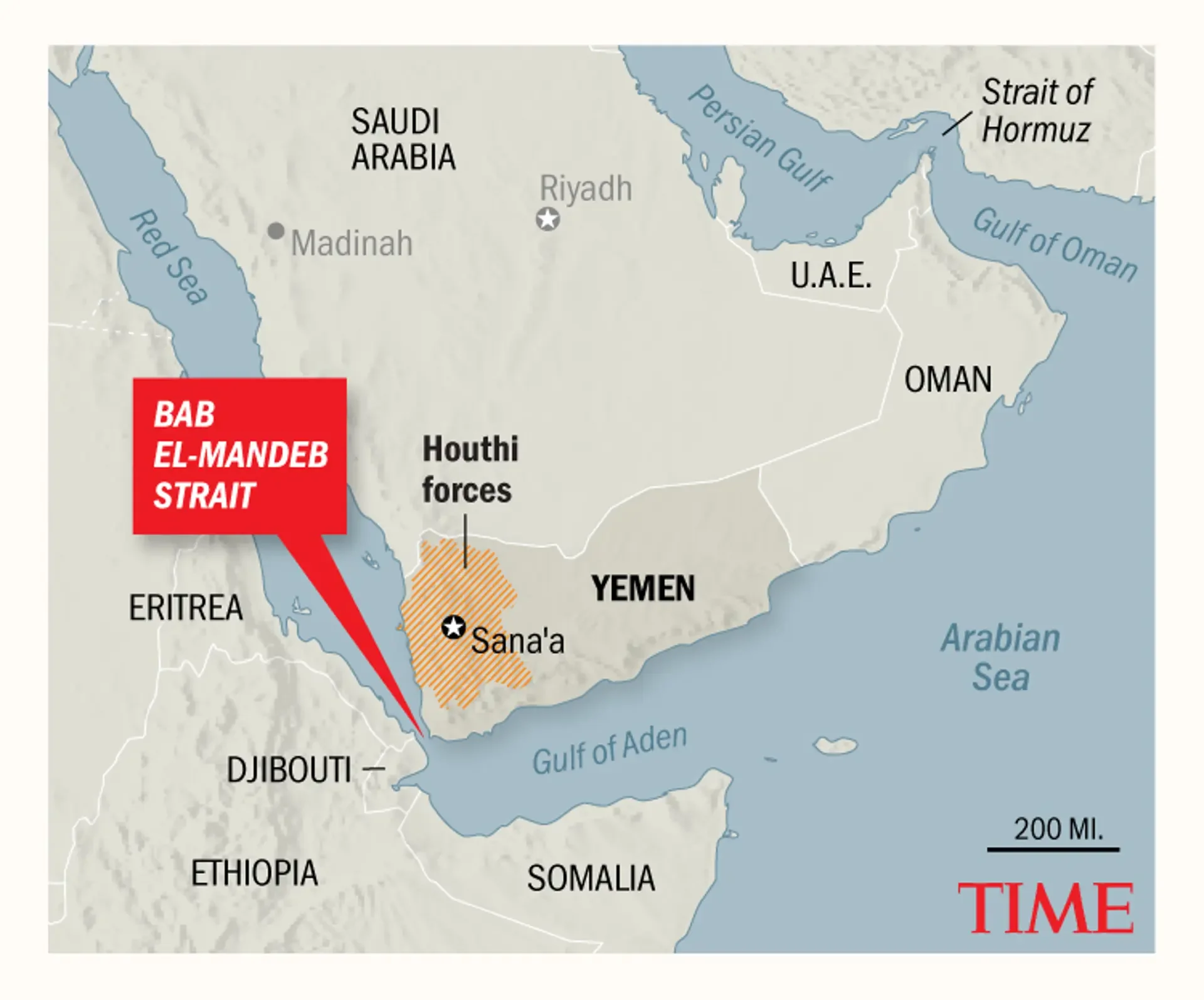
The Gate of Lamentation: Bab el-Mandeb, Chokepoints and Global Interconnected Crisis
The Red Sea, and particularly the narrow Bab el-Mandeb Strait, has historically played a vital role in economic trade and in turn been a strategic area in terms of geopolitics. In the Greco-Roman world, the area was where African and Arabian trade converged, facilitating the exchange of valuable spices and aromatics, like myrrh, tortoise shells and ivory. In the medieval period the Red Sea was hub for navigation. Writers such as Ahmad ibn Majid wrote technical treaties on the wind, coral reefs, currents and surrounding islands, developing the knowledge around sailing practices and the region’s geography allowing for expansions of trade networks.
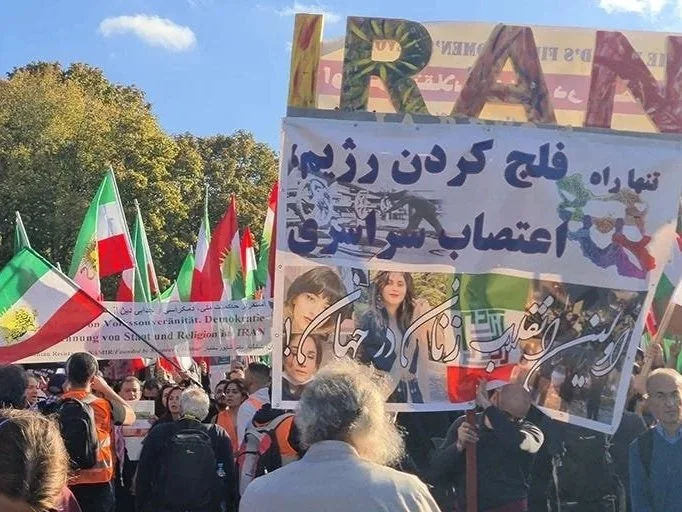
You Can’t Have a Revolution Without Revolution
You can’t have a ‘revolution without revolution’ was a sentiment expressed by Antonio Gramsci, the Italian Marxist philosopher, in his Prison Notebooks (1926-1937).
Gramsci was specifically commenting on the 19th century Italian Risorgimento—the movement for independence and unity—which he characterised as a ‘passive revolution’. For Gramsci a passive revolution was a top-down revolution that strove for a new and modern political course without actually engaging with the will of the people or disrupting the hegemony of ruling factions. Gramsci considered the Risorgimento a passive revolution because the new Italian government failed to get ordinary people politically involved or truly united…

Necropolitics and Resistance in an Age of Surveillance and Exclusion
As I stroll through my Brussels neighbourhood, I frequently encounter an unassuming bronze plaque embedded in the pavement outside a narrow brick apartment. This plaque commemorates Louis Rickal, a former resident who joined the resistance during the Second World War.
Rickal was arrested by the Nazis in 1943, sent to the Breendonk concentration camp, and ultimately executed a year later at the National Shooting Range in Schaerbeek, a location not far from where I reside. His involvement in the resistance was a courageous act against the horrors of fascism, seeking to protect his community at a time when the Gestapo targeted Jewish residents, minority groups, and ideological opponents, deporting many to camps such as Auschwitz, Ravensbrück, and Breendonk…